

The activity began in the classroom. Indeed, to understand a phenomenon, you first need to be thoroughly familiar with it. The pupils therefore defined the concept of waste and traced the journey of waste from land, through rivers, to the ocean – where 80% of the waste originates from land-based activities!
They then turned their attention to how long it takes for waste to break down in the natural environment, and were surprised to discover that the worst type of waste isn’t necessarily the one that takes the longest to break down. And yes, plastic waste is the most harmful to our environment. Not only do they never really disappear (microplastics), but they can also act as vectors for invasive species or contain substances that are harmful to ecosystems. (photo: weather deterioration)
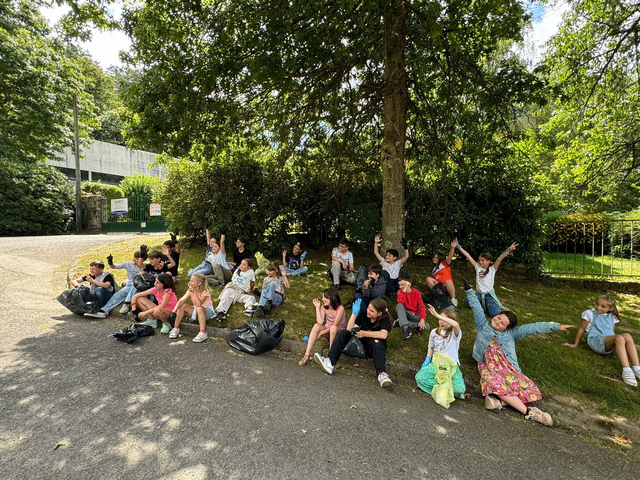
C’est avec toutes ces informations que les élèves se sont lancés, gants et sacs poubelles en main, pour arpenter le chemin de halage à la recherche de déchets, avec deux objectifs :
- clear their lovely educational area of any rubbish that might pollute it
- compare their harvest with that of the previous year
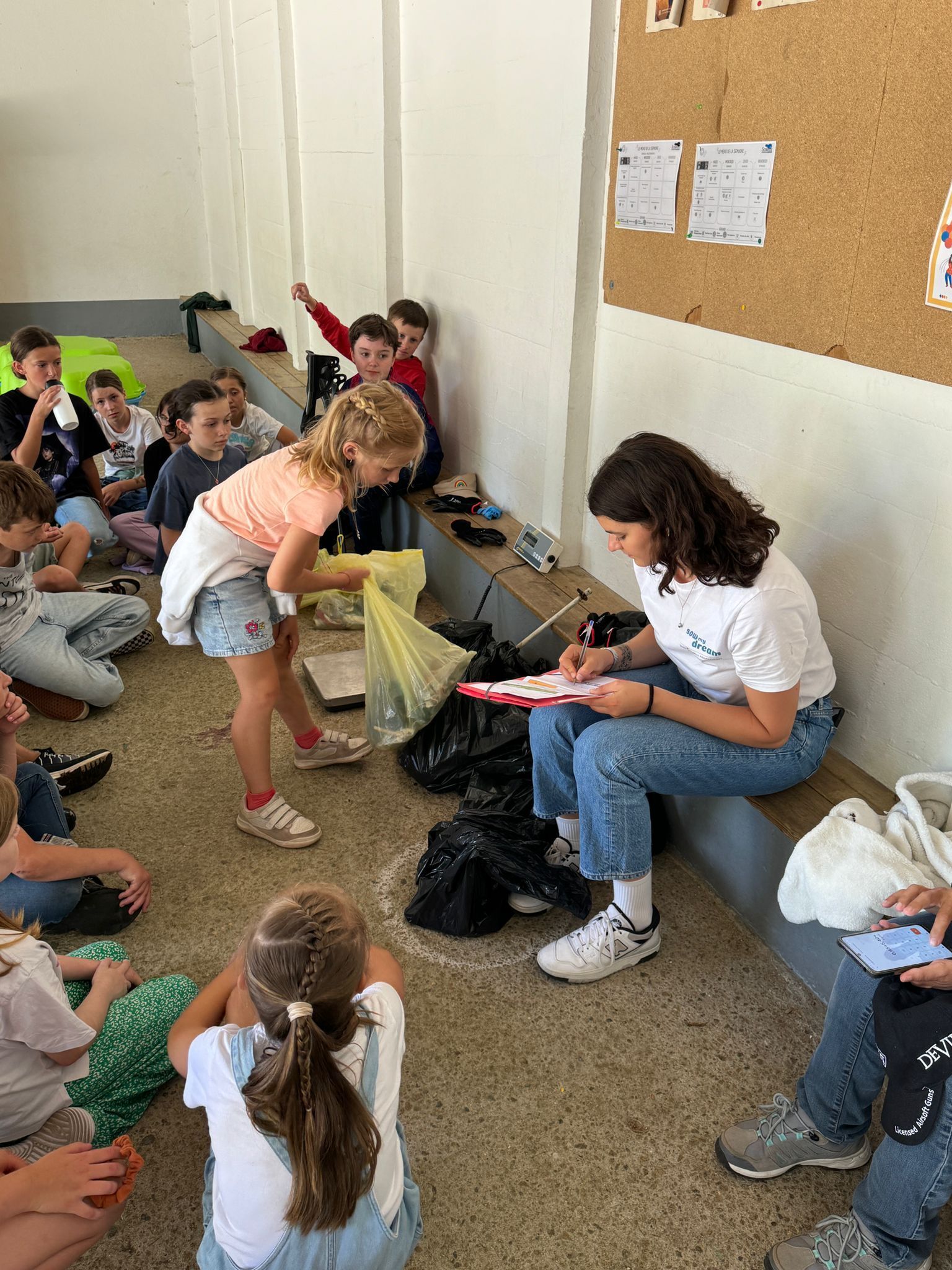
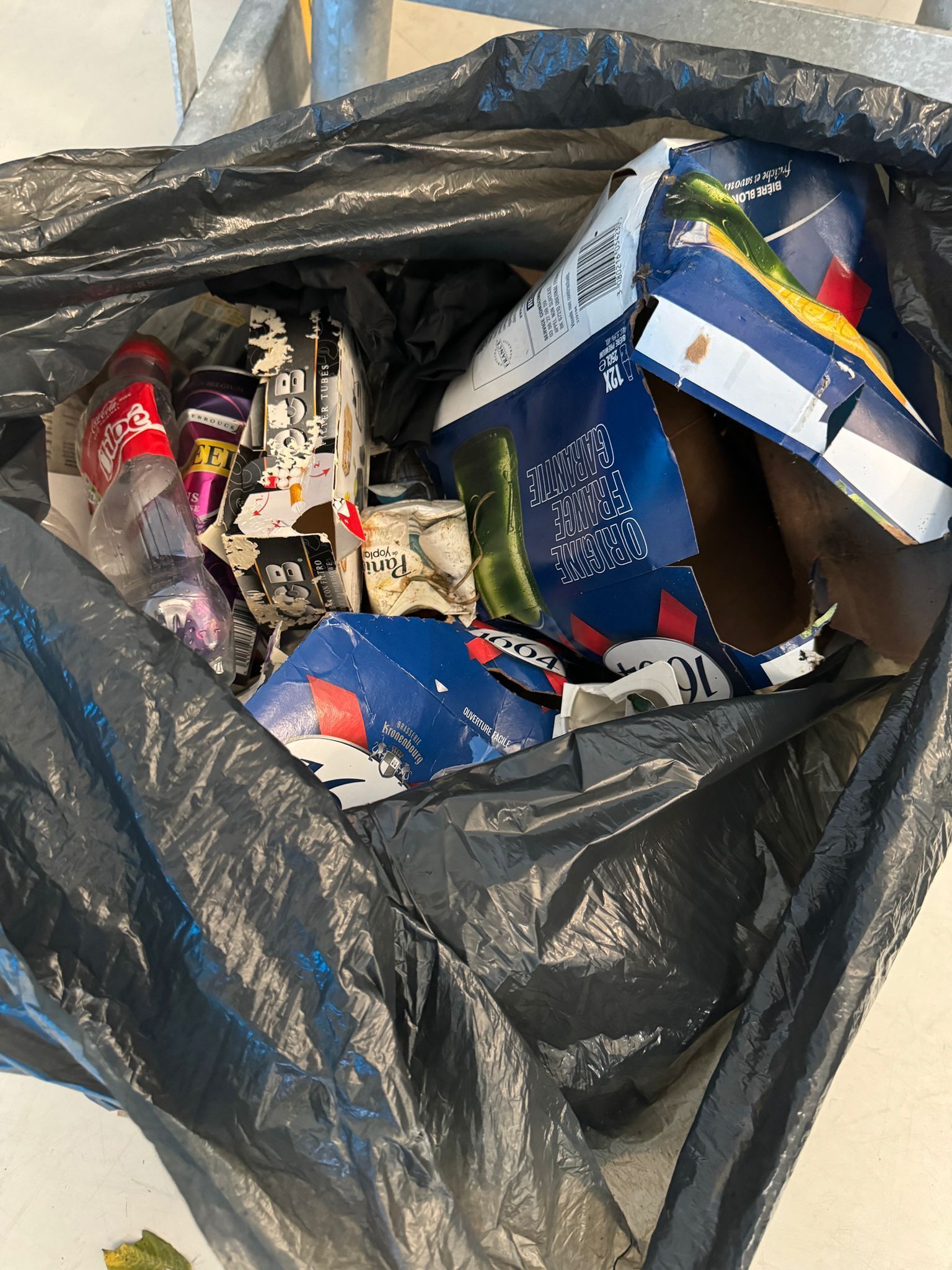
Back at school, no less than 11 kg of rubbish was collected. The most common type of rubbish was glass, and the pupils even found some rather unexpected items, such as a nappy, a hat and even a sock!
A big thank you to the pupils at Langroix for their commitment and their efforts to protect our beautiful planet!